
Load Following with Nuclear- The Options

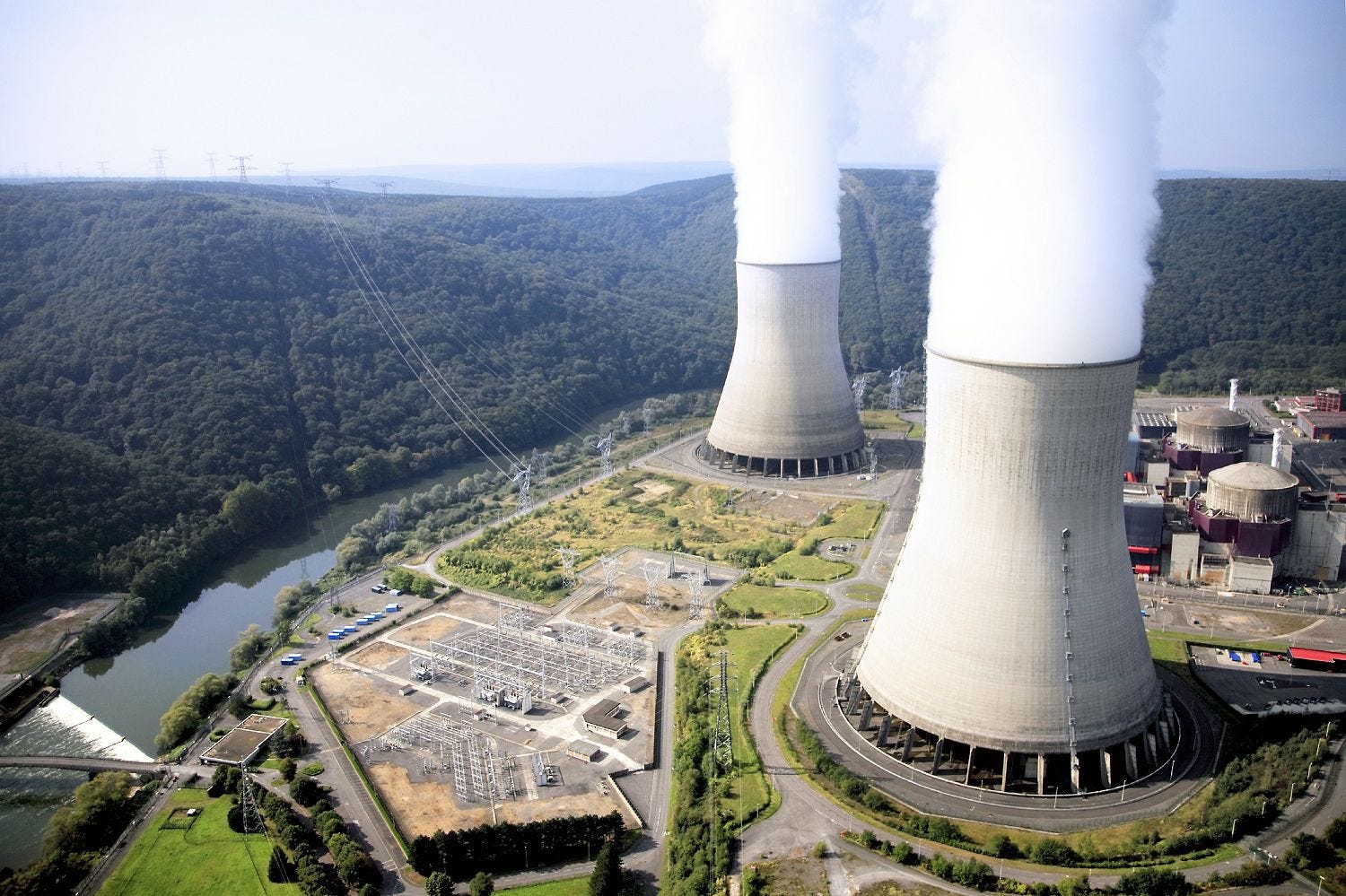
Hello Readers! I am following up on “Power System Elements - Load Following” with a conversation about following load with nuclear generation. This has been a hot topic across all the forums as we look to nuclear as the true net zero energy source. So, let’s talk about why we are not following load, if anyone is, and what can be done to implement those strategies.
It is a well-known fact we just don’t follow load in the USA power systems with our nuclear generation. The reason has been economics. A nuclear power station is incredibly expensive to build up front, but ridiculously cheap to operate once it is completed. Utilities that operate these powerplants have traditionally been looking for base load power at low cost. In English, they want a powerplant that runs 24/7/365 at full load to serve that load on the utility that is always there. If the product is cheap, it displaces a major piece of their operating cost. For every generating utility the largest single budget category is fuel, bar none. Because of the massive amount of virtually non-stop energy from a nuclear plant, it overcomes the capital cost of building it or used to.
The Navy
The reactors in US nuclear powerplants were designed with continuous 100% loading in mind. They were designed for efficiency at full load to extract the maximum value from the fuel load. The US makes primary use of control rods to control the reactor output. The problem with US powerplant reactor designs is they are subject to xenon-135 and iodine-135 poisoning on trips and fast reductions in load. Xenon-135 is a powerful neutron absorber and blocks reactor output until it decays. On a reactor trip it may take 24 to 48 hours to decay enough to allow a reactor restart. This is why US nuclear powerplants have extremely slow ramp rates, to allow the dissipation of xenon-135.
But how does the Navy ramp their reactors so fast? It’s in the design! First the US Navy uses weapons grade High Enriched Uranium (HEU) in their reactors. Uranium can be enriched up to 90% in these applications. Utility and commercial reactors use Low Enriched Uranium (LEU) that is enriched less than 10%. The hot fuel is able to burn off xenon-15 where LEU reactors cannot. Navy reactors are designed to be self-limiting by reducing reactor output as coolant temperature rises. So, a Navy reactor naturally increases output on a load increase. Talking about military reactors is a moot point since HEU will never be available outside the military.
France
Does anyone follow load with nuclear? YES! France has been doing it for many years successfully. France probably has the most complete nuclear system in the world, which has put them in a very positive place during the net-zero efforts in the other EU countries. This has made France a net exporter of power as others have struggled to make renewable energy work.
Success in France is due in large part to a solid fundamental design that is used repeatedly, making all their equipment virtually the same. Anytime you can settle on standard designs, it dramatically reduces the costs. This has also allowed them to make small design corrections where needed to fix naggy issues.
France built three basic design models and are currently collaborating on the fourth design which are all listed below:
First, they started with the CP0, CP1, and CP2 built in the 1970s and 1980s. They were rated at 900MW.
Next came to P4 and the P’4 in the 1980s and 1990s. These units were rated at 1300MW.
Next came the N4 design that was rated at 1500MW. That was built until France started collaborating on a general EU design.
The 1650MW EPR design is the result of that collaboration, There are 4 EPR units is operation and several more under construction. Because of construction delays EDF is working on the EPR 2 design to simplify the project.
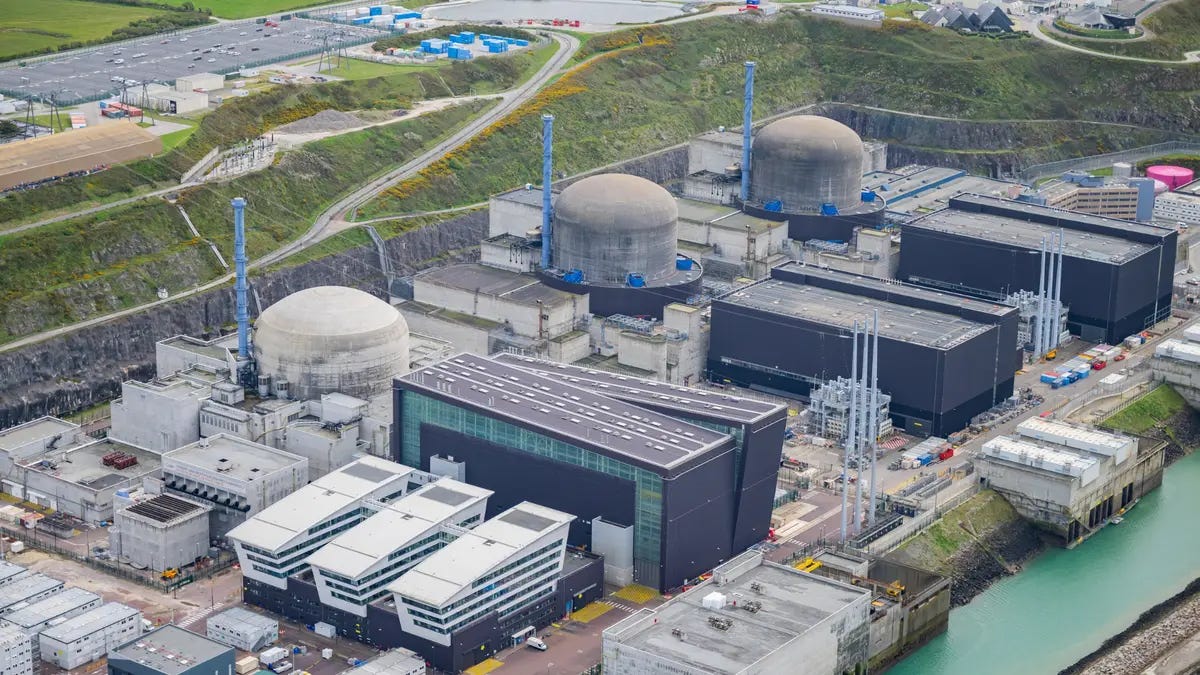
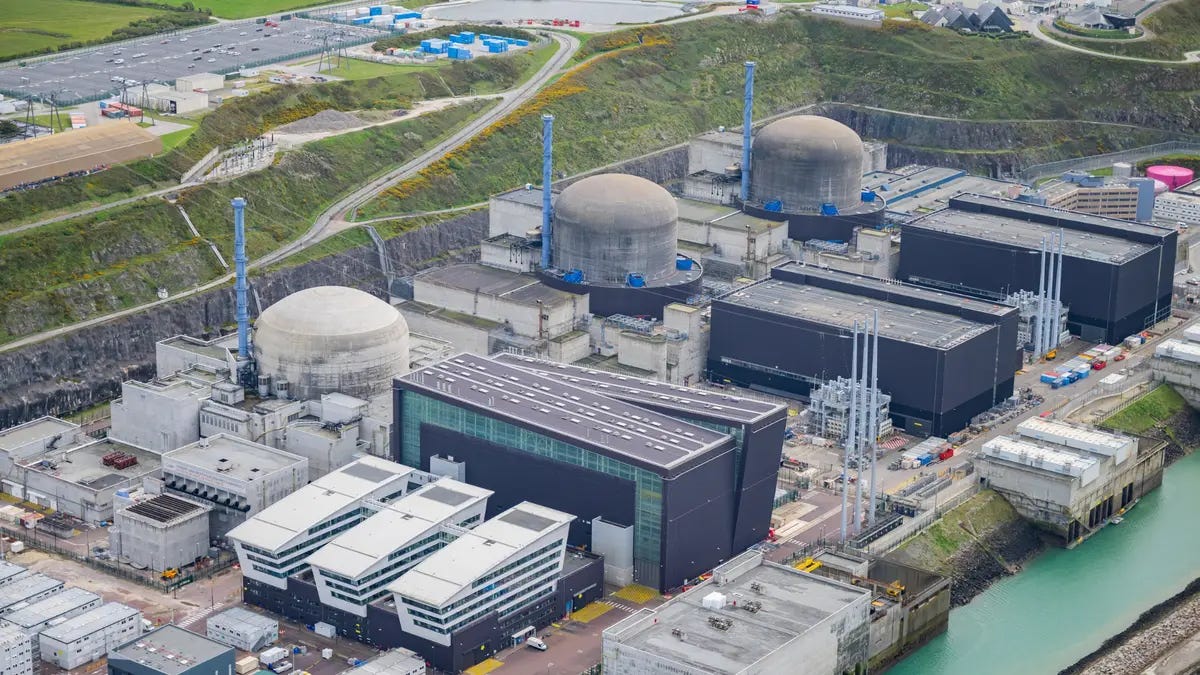
Except for some very early Boiling Water Reactors (BWR), all of the French units are Pressurized Water Reactors (PWR) using light water just like the bulk of reactors in the USA. The turbine generators are all saturated steam tandem compound turbines running at 1500 rpm (50Hz).
The French standardized design is a far cry from what has been done in the USA where nearly every nuclear plant is its own custom design, there is virtually no standardization. This has massively increased the cost of both construction and maintenance of US based nuclear generation. Sometimes someone else has a better idea than we do.
The French designed their reactors from the ground up with the intent to follow load. The reactors are designed with some self-regulation capabilities and control rods are not uses as primary control but instead are used for rapid load changes and shutdowns. France uses boric acid dissolved in the reactor coolant water to control reactor poisoning and can reduce the boric acid content on a large load reduction to promote continued reaction. The French are also very good at forecasting load changes, so any adjustments are anticipated. They have been following load successfully since the 1970s, so it can be done with a PWR.
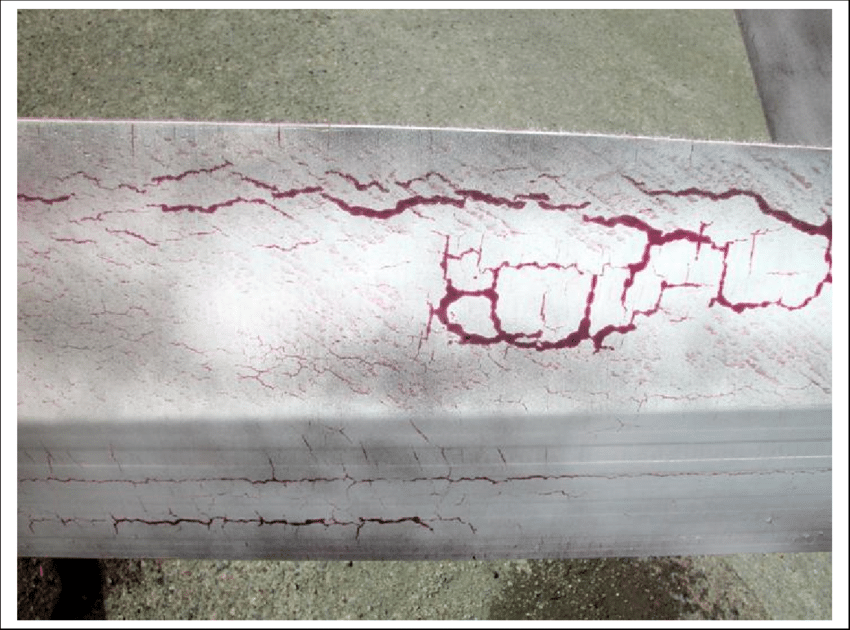
The downside, because there is always a downside, is increased reactor vessel maintenance. Stress corrosion cracking was recently discovered in primary coolant piping on more than half of France’s nuclear fleet. The stress of high primary coolant temps combined with the exposure to boric acid led to the cracking. Most of the repairs have been completed, but it has required France to modify its inspection program.
Ideas Under Development
1. Canada is looking at whether it is cost effective to divert the steam flow on a load decrease and store that heat energy in a medium capable of long-term thermal storage. Saturated steam isn’t hot enough for liquid sodium or molten salt, but there are plenty of materials that can store heat. The heat can be recovered later to generate additional power or for district heating. Take a look at Robert Bryce Video series “Juice”.
2. Sodium Cooled Fast Reactor (SFR) has potential if they figure out how to make it affordable. The reactor core uses MOX pellets, a more refined fuel. Unlike a PWR, the SFR reactor coolant operates near atmospheric pressure, so the dangers of a pressurized coolant loss are small. The sodium coolant operates at a considerably higher temperature than a PWR, hot enough to generate super critical steam pressures with the possibility of ultra super critical steam. This massively improves the efficiency of the steam turbine. The operating temperature still remains below the melting point of the MOX fuel, but the superior heat transfer of the sodium allows for a hotter operating temp. Because sodium is not a moderator and the reaction is largely based on neutrons, the SFR core is immune to xenon-135 poisoning. This allows the reactor to ramp rapidly to load changes. At the moment, most research on SFRs is being done in the area of Small Nuclear Reactors (SMR). There are five SFRs in commercial operation; three in Russia, one is China, and one in India. The oldest came online in 1969, the newest in 2020, both in Russia. The technology is still considered experimental. Fingers crossed, it works out, and it becomes affordable.
3. Molten Salt Reactors (MSR) are another promising technology that has yet to be developed. Unlike SFRs, there are no MSRs in commercial operation, this remains a theoretical option. Oak Ridge National Laboratory did operate a small one from 1965 to 1969. The issue that is blocking development is the corrosive nature of the molten salt coolant. Unlike other reactors, the MSR runs with its fuel in liquid state. It is self-regulating as the reaction slows as the temperature of the coolant rises, making the reactor easy to control on load changes. The reactor is immune xenon-135 poisoning, and the noble gas mostly bubbles to the surface where it is removed by control equipment. The reactor does have control rods used at startup and shutdown. The operating temperature generates ultra super critical steam. This is the other reactor largely featured in the SMR program. Because there isn’t a working model, it’s impossible to judge if this would be financially feasible or not.
Conclusion
So that is where we are. For right now, IMHO, we should adopt the EPR 2 design France is working on and make whatever changes are needed to run a 60Hz. Why are we re-inventing the wheel? The SMR program has promise, but they are probably ten to twenty years out before they are commercial, and probably twenty to thirty before they are affordable. We cannot wait. The EPR design would give us a nice parts pool with Europe. Anyhow, that’s my two bits, what do you think? I expect some lively debate on this round; I look forward to it.
From CGNP.org testimony in 2017 to CPUC re Diablo Canyon operation..
17. Flexible DCPP Operation (see also CGNP Testimony 2.1):
http://tinyurl.com/nh79pcs “The Westinghouse Pressurized Water Reactor Nuclear
Power Plant”, ©1984, pp 6-7…
“The control system allows the plant to accept step load increases of 10 percent and ramp load increases of 5 percent per minute over the load range of 15 to 100 percent of full power subject to xenon limitations. Equal step and ramp load reductions are possible over the range of 100 to 15 percent of full power….”
The Westinghouse pressurized LWR operator manual makes clear load following is straightforward.